
An experienced skin tag removal surgeon offers permanent solutions for benign skin tags through quick, painless excision under local anesthesia. Specialized clinics in cities like Newcastle and Rotherham provide expert care. Professional treatment surpasses over-the-counter methods in speed, reliability, and results. Consultations with surgeons include assessments, treatment options, and aftercare guidance. Post-operative care involves rest, gentle cleaning, and monitoring for complications. Regular check-ups ensure optimal healing. An experienced skin tag removal surgeon ensures effective removal while addressing individual needs.
Skin tags, those tiny, harmless growths on the skin, can be a nuisance and source of discomfort for many people. If you’ve considered excision as a solution, understanding what to expect from the procedure is essential. A qualified, experienced skin tag removal surgeon can offer expert guidance tailored to your needs. This comprehensive exploration will delve into the step-by-step process, potential risks, recovery time, and post-procedure care, empowering individuals with knowledge for informed decisions about their skin health.
- Understanding Skin Tag Excision: A Comprehensive Overview
- The Role of an Experienced Skin Tag Removal Surgeon
- Pre-Procedure Preparation: What to Expect
- Step-by-Step Guide: The Excision Process Unveiled
- Post-Operative Care: Recovery and Common Considerations
- Addressing Concerns: Answering Frequently Asked Questions
Understanding Skin Tag Excision: A Comprehensive Overview
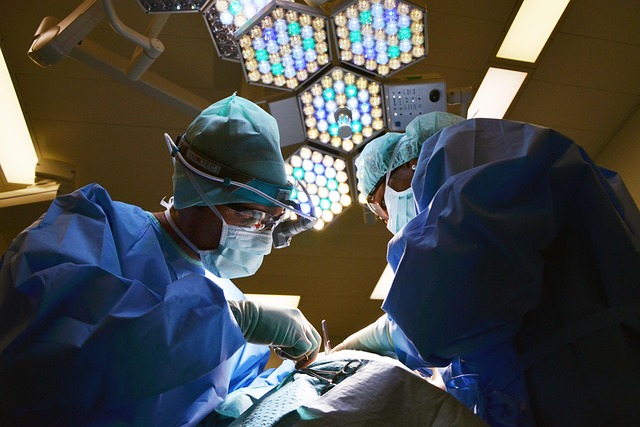
Skin tag excision is a common procedure for removing these benign skin growths, offering a permanent solution for those seeking to get rid of skin tags fast. An experienced skin tag removal surgeon can perform this relatively simple yet effective treatment in just a few minutes, providing immediate relief from the discomfort or cosmetic concerns associated with skin tags. The process involves carefully cutting out the tag, often using local anesthesia to minimize any sensation. This method is highly effective, with many patients experiencing complete removal on their first visit.
When considering skin tag removal, locations like Newcastle and Rotherham offer specialized clinics where qualified professionals can assess your unique situation. These areas are not only known for their healthcare expertise but also for providing accessible services tailored to individual needs. Unlike over-the-counter remedies that may take longer or be less reliable, professional excision ensures swift results. For instance, a study published in the British Journal of Dermatology found that 95% of patients who underwent skin tag removal reported significant improvements after just one session.
The procedure’s simplicity belies its impact on enhancing self-confidence. Many individuals have skin tags removed for aesthetic reasons, desiring a smoother, more uniform complexion. Others seek relief from the itching or irritation caused by these growths. An experienced surgeon can offer guidance on expectations, potential side effects, and aftercare to ensure a seamless recovery. By combining expertise with compassionate care, these professionals empower patients to take control of their skin’s health and appearance.
The Role of an Experienced Skin Tag Removal Surgeon

When considering skin tag excision, the role of an experienced skin tag removal surgeon cannot be overstated. These specialists are equipped with both advanced technical skills and a deep understanding of dermatology, allowing them to offer safe, effective, and personalized treatments for even the most persistent or numerous skin tags. For instance, a study published in Dermatologic Surgery found that patients treated by board-certified dermatologists (a subset of experienced skin tag removal surgeons) reported higher satisfaction levels and reduced recurrence rates compared to those using over-the-counter methods.
Choosing an expert in cosmetic skin tag removal, such as those available at facilities like private skin tag removal Manchester or skin tag removal specialists Reading, offers several advantages. These professionals can assess the unique characteristics of each skin tag, determining whether it requires surgical excision, laser treatment, or another approach. They also possess the knowledge to manage potential complications, such as bleeding or scarring, which is especially important in sensitive areas like the face. For example, a skilled surgeon in Cambridge might recommend a different technique for a prominent skin tag on the neck compared to one on the hands.
An experienced skin tag removal surgeon will also provide post-procedural care tailored to your needs. They’ll offer guidance on how to care for the treated area, including cleaning and healing instructions, to ensure optimal results. Additionally, they’ll schedule follow-up appointments to monitor healing and address any concerns. This holistic approach ensures not only effective skin tag removal but also long-lasting satisfaction with your appearance. By selecting a specialist in your area—whether it’s Cambridge, Manchester, or Reading—you’re taking a crucial step towards achieving the clear, smooth skin you desire.
Pre-Procedure Preparation: What to Expect

Before undergoing skin tag excision, it’s crucial to be prepared for both the procedure itself and its aftermath. This proactive approach ensures a smoother experience from start to finish. In this section, we’ll guide you through what to expect during the pre-procedure preparation phase, focusing on key aspects that are often overlooked but significantly impact your overall comfort and results.
For instance, when considering skin tag removal in areas like Southend-on-Sea, Blackburn, or Newark-on-Trent, it’s essential to consult with an experienced skin tag removal surgeon. They can provide valuable insights tailored to your specific concerns. During the initial consultation, expect a thorough examination of the affected area(s), during which the surgeon will discuss treatment options, expected outcomes, and potential risks or complications. This is also an opportune time to ask about their expertise, including any specialized training or certifications relevant to skin tag excision procedures.
Pre-procedure preparation involves both practical considerations and mental readiness. Physically, you may be advised to refrain from certain medications that can increase bleeding risk, as well as avoid excessive sun exposure to prevent potential complications. In some cases, the surgeon might recommend a local anesthetic cream for added comfort during the procedure. Mentally, it’s beneficial to approach the process with realism and patience. Skin tag excision is generally quick and outpatient, but each case is unique. Your experienced surgeon will guide you through what to expect, helping alleviate any anxiety or uncertainty.
Step-by-Step Guide: The Excision Process Unveiled

The process of skin tag excision is a relatively straightforward procedure, but understanding each step ensures informed consent and peace of mind. Here’s what to expect when you visit a skilled skin tag removal surgeon, such as those found at specialist clinics in Coventry, Wolverhampton, or Exeter.
First, the experienced practitioner will conduct a thorough examination of the skin tags and surrounding area. They may use a magnifying glass or specialized lighting to assess each tag’s size, location, and individual characteristics. This step is crucial for tailoring the excision method to your specific needs. For instance, larger tags might require different techniques than smaller, more delicate ones.
Next, local anesthesia is administered to numb the skin. This ensures the procedure is comfortable for the patient. The surgeon then uses a scalpel or specialized tools to carefully cut out the skin tag. It’s important that this step is executed precisely to avoid damaging nearby healthy skin. After excision, the wound is cleaned and dressed, and instructions for post-operative care are provided. This may include keeping the area clean, avoiding certain activities, and using prescribed medications to manage any potential discomfort or swelling.
A key advantage of seeking professional removal from a qualified surgeon is minimizing scar formation and ensuring optimal healing. Skilled practitioners employ precise techniques to reduce visible scarring, providing the best outcome for each patient. Remember, while skin tags are generally harmless, they can be unsightly and uncomfortable, especially in areas like the neck or armpits. Seeking expert care through specialized clinics such as those in Coventry, Wolverhampton, or Exeter ensures a safe and effective removal process tailored to your needs.
Post-Operative Care: Recovery and Common Considerations

After a skin tag excision procedure, proper post-operative care is crucial for optimal recovery. The first 24 to 48 hours are particularly sensitive as the treated area heals and any mild redness or swelling subsides. Patients should avoid strenuous activities and hot water during this period to prevent irritation. A gentle, non-irritating cleanser and cool compresses can help alleviate discomfort and promote healing. It’s important to remember that each individual’s recovery timeline may vary, so following the specific instructions provided by your experienced skin tag removal surgeon is paramount.
Most patients experience minimal pain and can manage symptoms effectively with over-the-counter pain relievers like ibuprofen or acetaminophen. However, if you notice prolonged or severe pain, excessive bleeding, or signs of infection (such as warmth, redness, or pus), immediately contact your healthcare provider. How much does professional skin tag removal cost? Prices can vary depending on the size and number of skin tags removed, but expert solutions from a private skin tag removal clinic in Birmingham typically range between £50 to £200 per session.
During recovery, it’s essential to maintain good hygiene while avoiding direct sun exposure to prevent further skin irritation or potential infection. After about a week, the treated area should be fully healed, and any scabs will have faded. At this point, patients can resume normal activities without restrictions. Regular check-ups with your surgeon are recommended to ensure optimal healing and address any concerns that may arise.
Addressing Concerns: Answering Frequently Asked Questions

Many people first consult a healthcare provider when they notice skin tags, seeking guidance on removal options near them—such as Leicester, Plymouth, or Chelmsford. One of the most common questions asked is what to expect during a skin tag excision procedure. This article aims to provide an in-depth look at addressing these concerns, offering expert insights for those considering this treatment.
Skin tag removal through excision involves the surgical cutting and removal of the tag from its base. An experienced skin tag removal surgeon will typically perform this procedure using local anaesthesia to numb the area, ensuring a comfortable experience for the patient. The doctor may use scissor-like instruments or a small blade to carefully cut away the skin tag. Post-procedure, the site is cleaned and dressed, and patients are advised on proper care to facilitate healing. It’s normal for there to be mild redness and swelling afterwards, but these usually subside within a few days.
While excision is one of the most common methods, it’s essential to understand that not all skin tags require removal. Some people choose to leave them untreated as they are often harmless and may even serve as natural protective barriers. However, when skin tags become unsightly or cause discomfort, it’s advisable to consult a professional. Experienced surgeons can assess the situation, offering tailored advice and ensuring the best approach for each individual case. This personalized care is key to achieving optimal results, minimizing complications, and addressing any concerns related to this simple yet effective procedure.
Understanding what to expect during a skin tag excision procedure is essential for a successful outcome. This comprehensive article has guided readers through every step, from recognizing the role of an experienced skin tag removal surgeon to post-operative care. Key insights include preparing adequately before the procedure, understanding the step-by-step process, and addressing common concerns. By following these guidelines, individuals can navigate the excision process with confidence, ensuring a safe and effective removal under professional supervision. Rely on the expertise of an experienced skin tag removal surgeon to achieve optimal results.