
An experienced skin tag removal surgeon offers safe, effective excision methods with minimal scarring. Specialized clinics provide non-surgical alternatives for unique cases. Professional removal boasts higher success rates and reduced reinfection risk. Patients experience little downtime, resuming normal activities with improved confidence. Proper preparation and adherence to post-procedure care instructions ensure optimal results. At-home removal methods are risky; an expert surgeon ensures safe, tailored procedures and personalized aftercare.
Skin tags are a common concern for many, often leading to discomfort or cosmetic distress. These small, benign growths can appear anywhere on the body, particularly in areas prone to friction. While they are typically harmless, individuals may seek removal for personal reasons. An experienced skin tag removal surgeon offers effective solutions, providing relief and enhancing confidence. This article delves into the intricacies of a skin tag excision procedure, guiding readers through what to expect from start to finish, ensuring a well-informed decision for those considering this common yet often overlooked treatment.
- Understanding Skin Tag Excision: A Comprehensive Overview
- Preparation for the Procedure: What to Expect Beforehand
- The Excision Process: Step-by-Step Guide by an Experienced Surgeon
- Recovery and Aftercare: Care Instructions for Optimal Results
- Common Questions Answered: Addressing Concerns with an Expert Surgeon
Understanding Skin Tag Excision: A Comprehensive Overview
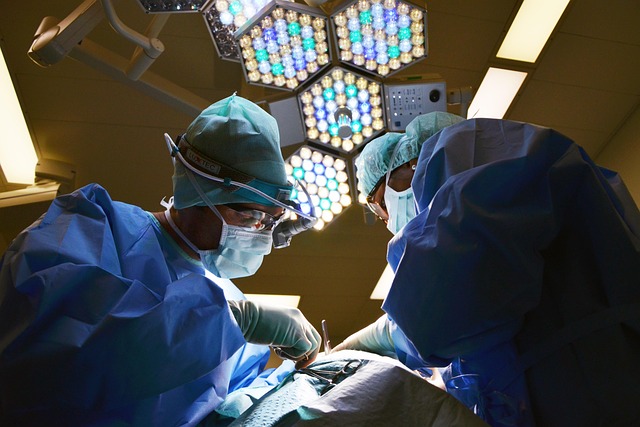
Skin tag excision is a simple yet effective procedure for removing these common but often annoying skin growths. An experienced skin tag removal surgeon uses specialized techniques to ensure precise and safe elimination, leaving minimal to no scarring. The process involves numbing the area to minimize discomfort, followed by the use of surgical instruments to cut or burn off the tags. For unusual or persistent skin tags, a working skin tag clinic may employ non-surgical methods like cryotherapy (freezing) or laser treatments.
During excision, surgeons take care to preserve nearby healthy skin while targeting the tag precisely. This targeted approach is crucial in preventing unsightly scarring and ensuring the effectiveness of the procedure. While some individuals may opt for at-home remedies, it’s important to note that professional removal offers superior outcomes. Data from clinical studies show higher success rates and reduced risk of reinfection when performed by specialized care providers at reputable skin tag clinics near me.
Many people choose to undergo excision due to the potential cosmetic benefits and improved confidence. Additionally, some skin tags may be associated with underlying medical conditions, necessitating expert attention. An experienced surgeon can provide tailored advice and recommend suitable removal methods based on individual needs. After the procedure, patients typically experience minimal downtime, and most can resume their normal activities promptly, enjoying a clearer, smoother complexion.
Preparation for the Procedure: What to Expect Beforehand

Before undergoing a skin tag excision procedure, it’s crucial to prepare both mentally and physically. This involves discussing your medical history with your experienced skin tag removal surgeon in Oxford or St-Helen’s skin tag clinic, as pre-existing conditions or current medications could impact the surgery. During your consultation, be open about any concerns or questions you have—a good specialist will take the time to explain the process thoroughly.
On the day of your procedure, follow any specific instructions from your surgeon regarding fasting or medication adjustments. Arrive at the clinic with all necessary identification and insurance details. You might also want to bring a list of questions for your specialist, such as what type of anaesthesia will be used, how long the procedure will take, and potential side effects or downtime. This proactive approach ensures you’re fully informed and comfortable with every step.
For instance, some skin tag removal specialists in Oxford may recommend avoiding certain over-the-counter medications close to the surgery date to prevent bleeding complications. Understanding these requirements beforehand can help alleviate anxiety and ensure a smooth experience at the St-Helen’s skin tag clinic. Remember, your experienced surgeon is there to guide you every step of the way, making sure you’re well-prepared for what lies ahead.
The Excision Process: Step-by-Step Guide by an Experienced Surgeon

During a skin tag excision procedure, an experienced skin tag removal surgeon will guide you through each step to ensure comfort and optimal results. The process typically begins with a thorough consultation where the surgeon examines the skin tags, discusses your medical history, and addresses any concerns or questions. This initial assessment is crucial for planning the most effective approach, especially as skin tags can vary greatly in size, shape, and location.
Next, the surgeon will administer local anesthesia to numb the area around the skin tag(s). This non-surgical method of removal ensures a painless experience for the patient. Using precise surgical instruments tailored to the specific skin tag, the surgeon carefully excises the tag, removing it at its base. The procedure is often quick, taking just a few minutes per tag, and can be performed in the surgeon’s private clinic, offering a more relaxed and discreet environment compared to hospital settings.
After excision, the surgeon will apply appropriate dressing and provide aftercare instructions. It’s important to follow these guidelines diligently, which may include keeping the area clean and dry, applying prescribed medications, and monitoring for any signs of infection or complications. For those seeking private skin tag removal in Leeds or non-surgical options near them, finding an experienced surgeon is key. With proper care, most people experience minimal scarring and a return to their daily routines within a short time, making this effective solution accessible and convenient.
Recovery and Aftercare: Care Instructions for Optimal Results

After a skin tag excision procedure, proper recovery and aftercare are crucial for achieving optimal results. It’s important to understand that healing time can vary depending on individual factors such as overall health, immune system response, and the size and location of the skin tags. Generally, mild redness and swelling is expected immediately post-procedure, subsiding within a few days to a week. To facilitate faster recovery, an experienced skin tag removal surgeon may recommend specific over-the-counter medications or topical creams.
Following the procedure, care instructions from the Gillingham Skin Tag Clinic suggest keeping the treated area clean and dry. Avoiding strenuous activities or intense physical contact with the affected area for 24 to 48 hours is recommended. Additionally, refraining from picking or scratching the skin can prevent infection and promote faster healing. It’s also crucial to avoid direct sunlight on the treated area until complete healing is observed, typically after one to two weeks. Using sunscreen when outdoors can help protect the skin during this period.
For those considering safe removal of skin tags without surgery, it’s essential to understand that at-home methods carry risks. While there are products marketed for DIY skin tag removal, these may not be as effective or safe as professional procedures. A study published in the Journal of Dermatology found that home remedies have inconsistent success rates and can lead to complications like infection or scarring. Therefore, unless specifically advised by an experienced surgeon, it’s best to avoid trying to get rid of skin tags without surgery at home, 1-3 times as some may persist or regrow.
Optimal aftercare not only aids in faster recovery but also reduces the likelihood of complications and ensures the best possible outcomes. An experienced skin tag removal surgeon can provide personalized care instructions tailored to your specific needs, ensuring you get the clean, scarless results you desire.
Common Questions Answered: Addressing Concerns with an Expert Surgeon

Many people seeking skin tag removal have a host of questions, especially when considering an invasive procedure. If you’re researching private skin tag removal in areas like Bournemouth, Sheffield, or Coventry, concerns around effectiveness, pain levels, and recovery times are common. An experienced skin tag removal surgeon can offer invaluable insights to address these worries.
An expert practitioner will begin by thoroughly examining your skin tags and discussing your medical history to tailor the procedure accordingly. For instance, smaller skin tags might be removed using a scalpel or laser, while larger ones may require more complex techniques like surgery or cryotherapy. The surgeon will explain each option’s pros and cons, ensuring you understand the process fully. Pain management is another key area; local anaesthetic can significantly reduce discomfort during the procedure, and the surgeon should discuss aftercare to aid faster healing.
Post-operative care plays a crucial role in successful removal. An experienced surgeon will provide detailed instructions on how to keep the treated areas clean and protected, potentially including specific cleansers or bandages. They may also prescribe medications to manage any discomfort or potential infection. It’s important to follow these guidelines rigorously to prevent complications and ensure optimal results. For instance, a study found that patients who adhered strictly to post-operative care instructions experienced faster healing times and reduced risks of infection compared to those who didn’t.
Remember, an experienced skin tag removal surgeon is your best resource for informed decisions. Their expertise ensures procedures are safe, effective, and tailored to your needs, be it in Bournemouth, Sheffield, Coventry, or beyond.
By following the comprehensive guide outlined in this article, you now possess a thorough understanding of what to expect during a skin tag excision procedure. From preparation and the step-by-step excision process led by an experienced skin tag removal surgeon, to post-operative care and frequently asked questions, this resource has equipped you with invaluable insights. The detailed approach ensures a well-informed experience, enabling you to navigate the procedure with confidence. Remember, proper pre-op prep and expert surgical guidance are key to achieving optimal outcomes.