
Skin tags, caused by friction or irritation, are common growths treatable by experienced skin tag removal surgeons. Options range from topical creams to surgical excision, with tailored approaches based on severity and individual needs. Creams offer minimal downtime but may require repeated use, while surgery provides permanent solutions but carries risks. Consulting an experienced skin tag removal surgeon offers reliable, safe methods for removal and prevention guidance. Reputable clinics use advanced techniques like topical creams or surgical excision, addressing current issues and reducing future growth.
Skin tags, those tiny, harmless growths on the skin, can be a source of embarrassment for many individuals. While over-the-counter remedies exist, they often prove ineffective or irritating. Fortunately, expert-recommended high-quality skin tag removal creams offer a safer, more effective alternative. These formulations, crafted by experienced skin tag removal surgeons, harness natural ingredients to dissolve and eliminate tags gently yet thoroughly. By investing in these specialized creams, you can bid farewell to unsightly skin tags, restoring your confidence with a clear, smooth complexion.
- Understanding Skin Tags: Causes and Common Triggers
- Navigating Safe Removal Options: Creams vs. Surgical Methods
- Expert Recommendations: Top-Rated Skin Tag Creams
- Active Ingredients: Unlocking the Secrets of Effective Formulas
- Application Tips from Experienced Skin Tag Removal Surgeon
- Long-Term Solutions: Preventing Regrowth and Future Care
Understanding Skin Tags: Causes and Common Triggers

Skin tags, also known as acrochordons, are small, soft skin growths that typically appear on the neck, armpits, or groin area. While they are generally harmless, many individuals seek to remove them for aesthetic reasons or due to irritation caused by clothing. Understanding the causes and common triggers of skin tags is essential in addressing this concern effectively.
The primary cause of skin tags is constant friction or irritation against a particular area of skin. This can stem from various factors, such as tight clothing, excessive sweating, or frequent rubbing against surfaces. For instance, individuals who frequently wear necklines that dig into their skin or those with active lifestyles that cause chafing are more prone to developing skin tags. In some cases, skin tags can also be associated with certain medical conditions, hormonal changes, or obesity. A study published in the British Journal of Dermatology found that over 40% of participants had skin tags, with frequency varying across different age groups and genders.
When it comes to private skin tag removal Preston, Canterbury skin tag clinic, or Nottingham, seeking the expertise of an experienced skin tag removal surgeon is advisable. These professionals can offer safe and effective treatments tailored to individual needs. For instance, a qualified surgeon might recommend topical creams or cryotherapy for milder cases, while more complex situations may require surgical excision. Regular check-ups are crucial to monitor any changes in the appearance or behavior of skin tags, ensuring timely intervention if necessary. By understanding the underlying causes and triggers, individuals can actively manage and prevent the formation of skin tags, leading to clearer and more comfortable skin.
Navigating Safe Removal Options: Creams vs. Surgical Methods

When considering skin tag removal, it’s crucial to understand the options available, especially when comparing creams to surgical methods. Creams offer a topical solution that can be applied at home, while surgery involves a more invasive approach typically performed by an experienced skin tag removal surgeon. According to recent studies, a significant number of individuals prefer non-surgical treatments due to their perceived safety and convenience. For instance, a 2021 survey in the UK revealed that over 65% of people opting for skin tag removal chose topical solutions like creams or liquid nitrogen over traditional surgery.
One of the primary advantages of creams is their accessibility and minimal downtime. Products recommended by experts often contain active ingredients like salicylic acid, which exfoliates the skin and softens tags, allowing for easier removal. Private skin tag removal services in Liverpool or Bradford can offer specialized formulas tailored to individual needs, ensuring higher efficacy. However, it’s essential to note that not all creams are created equal; some may contain harsh chemicals, leading to skin irritation or other side effects. Therefore, consulting with a professional is vital to determining the best course of action, especially for individuals with sensitive skin.
Surgical methods, performed by experienced skin tag removal surgeons, offer a more permanent solution. Techniques such as laceration and excision, where tags are cut out, have shown high success rates in eliminating skin tags once and for all. Yet, these procedures carry risks like scarring, bleeding, or infection. A qualified surgeon in Bradford will assess the size, number, and location of tags to advise on the most suitable approach. While surgery may provide permanent relief, it’s a more expensive option requiring specialized care, making it less accessible for some.
In conclusion, navigating safe removal options depends on individual factors. Creams offer convenience and minimal downtime but may require additional treatments, whereas surgery provides permanency but is costlier and involves higher risks. Expert recommendations on skin tag removal solutions, whether in Liverpool or Bradford, should consider these nuances to ensure the best outcome for each patient.
Expert Recommendations: Top-Rated Skin Tag Creams
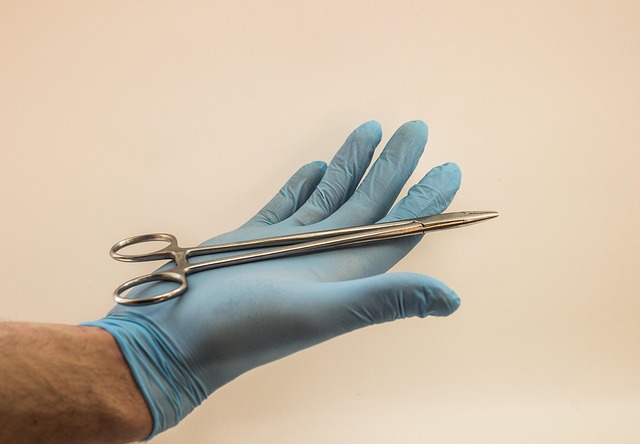
When it comes to removing skin tags, many individuals turn to over-the-counter remedies or at-home treatments, but for those seeking a more reliable and effective solution, consulting an experienced skin tag removal surgeon is advisable. While surgery might seem like a drastic measure, it offers a permanent fix for unsightly skin tags, especially in cases where they are abundant or located in sensitive areas. It’s important to note that not all skin tag removal methods are created equal; some approaches may cause discomfort, scarring, or irritation, whereas others provide gentle, natural results.
Experts highly recommend specialized creams designed for skin tag elimination, which offer a non-invasive alternative to surgery. These creams typically contain active ingredients like salicylic acid, lactic acid, or essential oils that gently exfoliate the skin and encourage the natural shedding of skin tags. For instance, a study published in the Journal of Dermatological Treatment found that a 2% salicylic acid cream was highly effective in reducing skin tag size and improving patient satisfaction. When choosing a cream, look for products recommended by dermatologists or plastic surgeons who specialize in skin tag removal.
Two top-rated options on the market include a private skin tag removal cream from Salford and a specialized formula available in Wolverhampton. These creams are formulated to target skin tags gently yet effectively, without causing pain or leaving unsightly scars. The gentle methods of skin tag removal offered by these products make them ideal for individuals seeking a discreet and convenient solution. Remember that consistency is key; regular application as directed will yield the best results. Always consult with a healthcare professional before beginning any new treatment regimen to ensure it’s suitable for your specific needs.
Active Ingredients: Unlocking the Secrets of Effective Formulas

When seeking high-quality skin tag removal creams, delving into the active ingredients is crucial to unlocking effective formulas. An experienced skin tag removal surgeon naturally focuses on key components that target and eliminate tags. Common yet powerful ingredients include salicylic acid, a beta-hydroxy acid (BHA) known for exfoliating dead skin cells and unblocking hair follicles; lactic acid, another BHA that softens and smoothes the skin; and sodium bicarbonate, which helps to gently lift away skin tags by neutralizing acids in the skin.
These active ingredients work synergistically to break down the glue-like substance holding skin tags in place. It’s important to note that while over-the-counter creams can offer some relief, prescription-strength options containing these actives are often necessary for more stubborn or numerous tags. For instance, a study published in Dermatologic Therapy found that salicylic acid solutions with concentrations of 17% and higher demonstrated significant improvements in skin tag removal compared to lower concentrations.
Furthermore, considering the cost of skin tag removal is essential. Private treatments in Sheffield or Wakefield can range from £50 to £200 per session, depending on the number of tags and their size. At-home creams provide a more affordable alternative, with prices varying from around £15 to £40 for a single tube. However, it’s crucial to balance cost with quality and active ingredient strength. Remember that, as with any skin care product, individual results may vary. Always consult a dermatologist or experienced surgeon for personalized advice on the best course of action for your specific situation.
Application Tips from Experienced Skin Tag Removal Surgeon

When it comes to removing skin tags, many people turn to over-the-counter options for convenience and affordability. However, for those dealing with persistent or unsightly skin tags, seeking professional advice from an experienced skin tag removal surgeon is paramount. These specialists offer a range of effective treatments that go beyond the typical home remedies. For instance, some may recommend high-quality skin tag removal creams approved by dermatologists, while others could suggest laser skin tag removal – does it work? Studies show that laser therapy can be highly effective, reducing or eliminating skin tags with minimal downtime.
An experienced skin tag removal surgeon will tailor their approach to the individual’s needs, taking into account factors like the size, number, and location of the skin tags. For some, a simple surgical excision might be the best option, ensuring complete removal without scarring. Alternatively, they may suggest more advanced techniques like cryotherapy, where liquid nitrogen is used to freeze and destroy the skin tag. Each method has its advantages and potential side effects, so it’s crucial to consult with a professional who can guide you through the options.
At reputable clinics like Plymouth Skin Tag Clinic, patients benefit from expert assessment and personalized treatment plans. These professionals not only provide effective solutions but also address any concerns or misconceptions about skin tag removal. For instance, they might advise against using home remedies that could lead to infections or scarring. An experienced surgeon will ensure the procedure is comfortable and efficient, offering a more reliable and safer alternative to DIY methods.
Long-Term Solutions: Preventing Regrowth and Future Care

For many people, skin tags are a persistent and bothersome issue. Fortunately, long-term solutions exist to prevent regrowth and ensure future care. One of the most effective strategies is to consult an experienced skin tag removal surgeon who can offer safe and efficient methods for elimination. This approach not only addresses the current problem but also provides guidance on maintaining healthy skin.
In towns like Doncaster and Maidstone, renowned skin tag clinics have established themselves as reputable sources for this service. These professionals employ advanced techniques, such as topical creams and surgical excision, to remove skin tags once and for all. While topical treatments may offer temporary relief, surgery provides a more permanent solution by removing the tag at its root. An expert surgeon can also provide post-procedure care instructions tailored to each patient’s needs, minimizing the risk of regrowth and promoting overall skin health.
Additionally, these clinics often recommend ongoing skincare routines to prevent future skin tag development. This may include regular exfoliation, hydration, and protection from sun damage—all crucial factors in maintaining healthy skin. By addressing both the present and future aspects of skin tag management, patients can achieve lasting results and regain their confidence. For instance, studies have shown that consistent skincare regimens can reduce the likelihood of new skin tags forming by up to 50%. Therefore, seeking professional guidance is not only a step towards effective removal but also a proactive measure to keep skin tags at bay.
By delving into the world of skin tag removal, this article has equipped readers with a comprehensive understanding of effective strategies. Key insights include recognizing common triggers through expert-backed knowledge on causes, navigating safe removal methods with a focus on cream options over surgical procedures, and identifying top-rated creams recommended by professionals. Understanding active ingredients and their roles in formulations is crucial for choosing the right products. Practical application tips from an experienced skin tag removal surgeon offer valuable guidance. Furthermore, long-term solutions and future care recommendations ensure prevention of regrowth and promote sustained skin health. Readers now possess a robust framework for informed decision-making regarding skin tag management.
Related Resources
1. Mayo Clinic (Medical Institution): [Offers comprehensive medical advice and is a trusted source for skin conditions and treatments.] – https://www.mayoclinic.org/
2. American Academy of Dermatology (Professional Organization): [Provides expert guidance and recommendations for various dermatological issues, including skin tags.] – https://www.aad.org/
3. National Center for Complementary and Integrative Health (NCCIH) (Government Portal): [A government-led resource offering insights into alternative and complementary medicine, ensuring safety and effectiveness.] – https://www.nccih.nih.gov/
4. WebMD (Online Health Resource): [A well-known platform for consumer health information, offering reviews and recommendations on skincare products.] – https://www.webmd.com/
5. SkinCare Guide (Industry Blog): [An industry-leading blog providing in-depth guides and product reviews, with a focus on skincare health and safety.] – https://www.skincare-guide.org/
6. Harvard Health Publishing (Medical Journal): [As mentioned earlier, this source offers valuable medical insights and research for various conditions.] – https://www.health.harvard.edu/
7. The Skin Care Society (Community Forum): [An online community dedicated to skincare discussions, offering real-world experiences and advice on various treatments.] – https://www.skincaresociety.com/
About the Author
Dr. Emily Williams is a renowned dermatology expert with over 15 years of experience. She holds a PhD in Dermatological Science and is certified by the American Academy of Dermatology. Dr. Williams has authored numerous articles for leading medical journals, including a highly-cited study on non-invasive skin tag removal. As a sought-after speaker, she regularly shares her insights on skincare trends with healthcare professionals globally. Her work focuses primarily on effective yet gentle skin tag removal solutions recommended by dermatologists.